The “CAMPUS Asia: Asian Consortium for Excellence in Liberal Arts and Interdisciplinary Education (ACE)” is a collaborative initiative among the Yuanpei College at Peking University, the College of Liberal Studies at Seoul National University, Rikkyo University in Japan, and the NUS College at the National University of Singapore. It aims to cultivate outstanding students into future interdisciplinary and multidisciplinary experts and scholars, grounded in an Asian context, through exchanges and cooperation among universities.
From August 1 to 11, 2025, faculty members and eight students from our college participated in the 2025 CAMPUS Asia Summer Intensive Program hosted by Seoul National University in the ROK. Centered around the theme “The Tapestry of Time: Where Traditional Asia Meets Tomorrow,” the program facilitated a profound dialogue across cultures, disciplines, and eras. Thirty-two students from China, Japan, Singapore, and the ROK strolled along Seoul’s restless streets and the quiet, historic flagstone paths of Jeonju. They learned Korean etiquette while donning traditional Hanbok, and tried popular hip-hop dance. The collision of tradition and modernity throughout the diverse events of this excursion provided students with a riveting cultural experience.
On August 1, faculty and students from the four universities gathered at Seoul National University, officially kicking off the program.

Figure 1. Group photo at the 2025 CAMPUS Asia Summer Intensive Program opening ceremony
Subsequent ice-breaking activities allowed students to get to know each other through games and interactions, quickly bridging the distance between them and laying the foundations for teamwork.
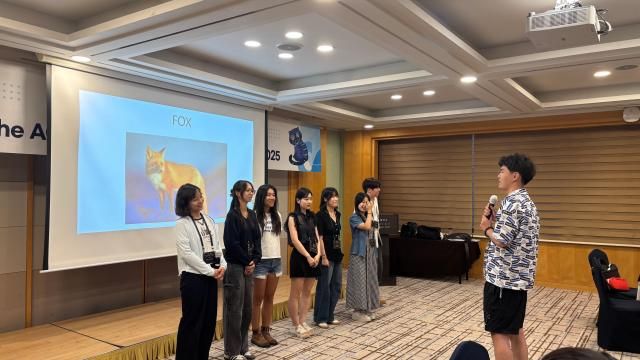
Figure 2. Ice-breaking activity
Over the next two days, faculty and students were divided into four groups for rich, in-depth urban exploration and study visits arranged by the host, including the neon lights of Myeong-dong, the streets of Hongdae, and the eaves of Gyeongbokgung Palace. The students documented Seoul’s multifaceted aspects through their cameras and footsteps, discovering cultural similarities through dialogue. At the National Museum of Korea, students had a dialogue spanning time and space. The comb-pattern pottery from the Prehistoric Section, the gilt-bronze pensive Maitreya Bodhisattva from the Unified Silla Section, the white porcelain jar with cobalt blue decoration from the Goryeo and Joseon Section, and other precious artifacts inspired them to reflect on the origins of their own civilizations while gaining a deeper understanding of the nation’s history.
On the morning of August 4, Professor Jung Yeop Lee from Soonchunhyang University delivered a lecture titled “How Indie Games are made in South Korean Universities,” deconstructing the creative ideas into code, emotion, and others. In the afternoon, the students visited 1 Million Studio, a professional dance studio, to experience the energy and rhythm of K-pop dance, as well as the unique charm of modern Korean culture.

Figure 3. Professor Jung Yeop Lee’s lecture
From August 5 to 7, students and faculty members traveled to Jeonju for a cultural journey that blended tradition and modernity. In the Hanok Village, Jeonju, they wore Hanbok to learn traditional etiquette, made Jeonju Bibimbap, and experienced Korean traditional food culture. At the Jeonju Korean Traditional Wine Museum, they attended a lecture on traditional brewing techniques and sampled rice wines that had been brewed at various fermentation stages. They also visited a media art exhibition in Gwangju, where they experienced the cutting-edge progress of contemporary Korean art.

Figure 4. Students in Hanbok learning Korean traditional etiquette

Figure 5. Students attending a lecture on media art
From August 8 to 9, students held in-depth discussions on the theme “The Tapestry of Time: Where Traditional Asia Meets Tomorrow” in groups. During the presentation session on the afternoon of August 9, the teams showcased their learning and exchange outcomes, based on cultural exchange, creative short film production, food research, and a transnational exchange platform, respectively, and received various awards. Professor Bumsoo Kim, Dean of the College of Liberal Studies at Seoul National University, highly praised their innovative thinking and spirit of cooperation and encouraged them to integrate the benefits of this cross-cultural learning into their academic and personal endeavors. Professor Sun Feiyu, Associate Dean of Yuanpei College, commented on the presentations by four teams sequentially, elaborating on the connotation and core of liberal education and universities in conjunction with the content of their presentations, greatly benefiting the students.


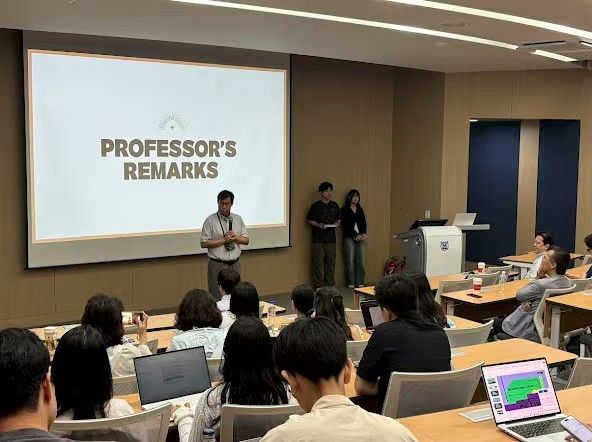
Figures 6-8. Students delivering presentations in groups; Professor Bumsoo Kim, Dean of the College of Liberal Studies at Seoul National University, giving comments; Professor Sun Feiyu, Associate Dean of Yuanpei College, giving comments
On August 11, faculty and students bid farewell to Seoul National University, bringing this summer program to a successful conclusion. The program impressed the students with the significance of “Where Traditional Asia Meets Tomorrow” and deepened their understanding of cultural exchange and mutual learning. It played a crucial role in fostering friendship among the four universities and promoting their long-term cooperation.


Figures 10 & 11. Group photos of faculty and students from the four universities
Selected comments from participating students:
During the 11-day trip, we talked about our majors, languages, lives, and dreams. We’re all around 20 years old, and the ideas of the 32 Asian youths lit a spark here. I felt a sense of warmth and inclusivity during this trip. We laughed and ran, looking forward to a better tomorrow, and promised to work together to build a better Asian community.
By Xu Haiyu, an undergraduate student from Yuanpei College, admitted in 2024
For me, Seoul’s charm lies in the details, atmosphere, and the resonance with my teammates. In front of the exhibition hall at the National Museum of Korea, it reads: “Time to lose yourself deep in wandering thought.” We saw two serene, pensive Maitreya Bodhisattvas and found some healing and peace in the “Smile of Silla.” We sat on the lawn by the Han River, ate instant noodles, played games, and gazed blankly at the river. Through this relaxing exchange, I realized we share the same worries and the same courage.
By Zhu Liye, an undergraduate student from Yuanpei College, admitted in 2023
This CAMPUS Asia program was the first time I’ve ever been abroad. I was fortunate to meet so many kind students from Japan, the ROK, and Singapore! We visited Seoul and Jeonju, experiencing the culture there firsthand throughout the local streets and alleys, and felt the “harmony in diversity” of Asian culture through our exchanges with students from other countries!
By Wan Shuaichen, an undergraduate student from Yuanpei College, admitted in 2024
I made friends with students from the ROK, Japan, and Singapore during the program. During these 11 days, we all learned about Korean humanistic culture together and became close. When Asia is rising, it’s of great significance for the future of our nations and the world that we, the ones responsible for the future of the continent, can meet and cooperate through this activity.
By Xie Laien , an international student from Yuanpei College, admitted in 2022